Why Everyone is Buying the Gmmk Pro (Full Review)
I've been using the Gmmk Pro as my daily driver for about six months now, and in that time it’s moved from a curious purchase to a keyboard I genuinely enjoy using every day. What I found was a machine that hits a lot of the right notes for people who want a premium, moddable 75% board without committing to building one from scratch. In this review I'll walk through my hands-on impressions, what I loved, what disappointed me, and practical advice if you're thinking about picking one up.
Introduction: Why I Bought It
I bought the Gmmk Pro because I wanted a compact board with a solid feel and the flexibility to swap switches quickly. I didn't want to assemble a keyboard from parts, but I did want something that would accept upgrades and customizations easily. After using it for months across coding sessions, emails, and gaming, I'm comfortable saying the Pro is a convincing midpoint between out-of-the-box convenience and enthusiast-level customization.
Design & Build Quality
Right out of the box the Gmmk Pro feels heavy and substantial. The case is dense and cold to the touch, which gives the keyboard a premium presence on my desk. I appreciated that it doesn't wobble when I type aggressively—it's the kind of weight that says the product was designed to stay put.
The layout is a 75% form factor. In my experience that's the sweet spot: compact enough to save desk space while retaining arrow keys, a compact cluster of navigation keys, and a dedicated function row. I noticed that the layout makes workflow smoother than a 60% board for tasks like switching between windows or navigating documents.
One small physical detail I liked was the rotary encoder knob. I used it daily to adjust volume, scroll timelines when editing, and even as a customizable input for brightness adjustments. It’s tactile and smooth, and I liked having a mechanical knob rather than relying on software-only shortcuts.
What I appreciated
Build-wise, the board breathed confidence. The keycaps and stems felt standard and compatible with many aftermarket sets, which was important to me because I like switching keycaps seasonally. The hot-swap capability made trying different switches painless—no soldering required—so I experimented with tactile and linear switches until I found what suited me.
What I found frustrating
Despite the overall build strength, a few finish details disappointed me. The stock stabilizers were rattlier than I expected for a board at this price point; I found myself chasing small buzzes and clacks. Also, the included keycaps were usable but not particularly special—I wanted something with a more premium texture and thicker material. Those are easy fixes if you plan to mod, but they were noticeable immediately.
Typing Experience
My typing experience evolved over the months. With stock parts, the board felt good but a touch hollow—there was a sharp, high-frequency ring in the sound profile I didn't love. After trying out a couple of simple mods (switch films, lubing stabilizers, and adding a thin piece of foam inside the case), the sound changed dramatically: the keyboard developed a deeper, more satisfying "thock" that made long typing sessions more pleasant.
One thing I noticed was that the gasket-mounted feel (the way the top case and plate are isolated) gives a slightly cushioned sensation under the fingers. For me that contributed to comfort during long typing sessions. I also appreciated how the hot-swap sockets let me swap in different switch types to tune the feel without any soldering downtime.
Looking for the best Electronics deals on Amazon?
See Deals →Sound & Customization
Sound is personal. In my experience the stock sound is bright and a bit pingy. If you like clean, clear clacks you may enjoy it as-is. I preferred a warmer profile and achieved that by lubing the switches, banding the stabilizers, and inserting a thin foam layer under the PCB. Those steps reduced high-frequency noise and gave me a firmer, more consistent bottom-out.
I was surprised by how much difference small mods made. Even adding switch films alone reduced wobble and made the keystrokes feel crisper. If you plan to keep it stock, expect a functional and pleasant typing experience. If you’re the sort of person who loves tweaking every detail, the Pro is a great platform because many enthusiasts have documented mods and there are plenty of compatible aftermarket parts.
Software & Remapping
Gmmk Pro offers software for remapping keys and adjusting lighting, and I used it occasionally to set a couple of macros and volume controls. In my experience the software covered the basics fine, but I found the community-developed profiles and tools more flexible for deeper remaps. If you enjoy digging into custom firmware or alternate configurators, you’ll find resources available—but if you expect seamless, advanced configurability purely in the supplied software, there are limits.
Lighting & Aesthetics
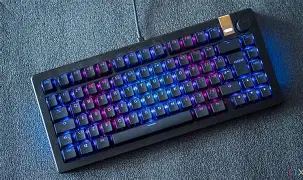
RGB is bright and customizable enough to satisfy casual users. I liked the glow under the keys for low-light typing, and the knob and case finish made the board feel visually contemporary on my desk. I noticed that lighting effects looked best with higher-quality keycaps that let the color diffuse properly—another reason I swapped the stock caps.
Durability & Maintenance
After six months of daily use, the board has held up well. The case finish shows minimal wear despite frequent repositioning. The hot-swap sockets have been reliable through many switch swaps. One maintenance note: I found myself re-lubing and adjusting stabilizers after heavy use to keep the sound profile consistent, so plan on a little upkeep if you want the board to sound and feel perfect.
Value & Price
Value is subjective. I think of the Gmmk Pro as a premium, semi-custom platform: you pay for a solid base that’s ready to be personalized. If you want a high-end sound and feel out of the box with no tinkering, you may feel less satisfied; if you enjoy upgrading switches, keycaps, and applying small mods, the board becomes a fantastic value because it supports that path easily.
Pros & Cons
- Pros:
- Solid, heavy build that feels premium on the desk
- Hot-swappable sockets made trying different switches effortless
- Compact 75% layout with convenient arrow and nav cluster
- Rotary encoder knob is well-implemented and genuinely useful
- Highly moddable—great platform for improving sound and feel
- Durable: held up well after months of daily use
- Cons:
- Stock stabilizers were rattly and needed work
- Out-of-the-box sound is bright and can feel hollow without mods
- Included keycaps are fine but uninspiring; many users replace them
- Software is adequate for basics but limited for some advanced users
Comparison: Where the Gmmk Pro Sits
| Model | Layout | Hot-swap | Build/Feel | Best for | My take |
|---|---|---|---|---|---|
| Gmmk Pro | 75% | Yes | Heavy aluminum, solid, moddable | Users who want a premium base that’s easy to customize | Great platform: strong balance of out-of-box usability and mod potential |
| Keychron Q1 (example) | 75%/custom | Usually yes | Sturdy, often beloved stock sound | Enthusiasts wanting a tactile, solid typing experience | Comparable in feel; depends on personal preference for sound and software |
| Enthusiast Tenkeyless Board (example) | TKL / custom | Depends | Varies—can be lighter or heavier | Users who want maximum customization and are comfortable building | More DIY; Gmmk Pro is better if you want less soldering and faster setup |
Buying Guide: How to Get the Most from a Gmmk Pro
If you're considering buying one, here are the practical things I wished I'd known before I started modding mine. These tips come from what I tested and the small headaches I encountered.
1. Decide how far you want to mod
I noticed that mods significantly change the experience. If you're content with the stock sound and caps, you’ll still get a solid board. If you like warm "thock" sounds and tighter stabilizers, plan to budget time (and a little cash) for lubricant, switch films, and possibly replacement stabilizers.
Shop the latest Electronics picks on Amazon.
Shop Amazon →2. Switch selection
Because the board is hot-swappable, you can experiment. I tried a tactile switch for typing and swapped to a silent linear for late-night gaming. My advice: start with a moderate spring weight (around 62–67g equivalent feel depending on switch brand), then work from there. Sampling small packs of switches before committing to a full set saved me money and frustration.
3. Keycaps
Swap keycaps if you care about texture and longevity. I replaced the stock caps early on because I prefer PBT with a matte texture. After the swap, the lighting softened and the typing feel improved noticeably.
4. Stabilizers and sound mods
If you want a better sound profile, plan to lube the stabilizers and add switch films. These are cheap and make a huge difference. A thin foam layer under the PCB also helped me tame hollowness. Expect to spend a couple of hours in a weekend session to achieve the best results.
5. Software and remapping
Check whether the keyboard's remapping software covers what you need. For advanced remaps, community tools and firmware options exist, but they take extra learning. In my experience, the supplied software handled volume, media control, and lighting quickly; for layered macros I had to consult community guides.
6. Budget considerations
The Gmmk Pro is a mid-to-premium investment. Factor in additional costs if you plan to mod: quality switches, PBT keycaps, lubricant, and potentially new stabilizers. If you want a near-perfect sound out of the box, plan the budget accordingly.
7. What to check before buying
- Confirm the layout and color options available match what you want.
- Decide whether hot-swap flexibility is a priority (it is for me).
- Look at community resources for common mods to understand time and parts required.
Final Thoughts
After testing the Gmmk Pro for several months, I can say it's one of those products that rewards the curious user. In my experience, the Pro hits a sweet spot: it's robust and usable straight away yet also ready for deeper customization without the need for soldering knowledge. I was surprised by how much small changes (lube, films, a foam pad) improved my daily typing; the board feels like a platform that scales with your interest.
If you want a polished, heavy-feeling keyboard that you can keep customizing over time, the Gmmk Pro is an excellent choice. If you expect perfection straight out of the box with no tinkering, you might find it requires a little effort to reach the sound and feel you most enjoy. For me, that effort was part of the fun—and now it’s settled on my desk as my favorite daily driver.