I Tested the Pny Duo Link V3 Usb for a Month: Here is My Verdict
Category: Laptops
Introduction
The PNY Duo Link V3 USB is marketed as a practical, dual‑connector flash drive designed to bridge the gap between modern USB‑C devices and legacy USB‑A ports. For laptop users who move files between thin-and-light notebooks, older workstations, phones, and tablets, a compact, reliable, cross‑platform storage accessory can be indispensable. Over the course of a month, the reviewer evaluated the Duo Link V3 under real‑world workloads: day‑to‑day file transfers, photo and video offloads, occasional use as a bootable recovery stick, and repeated plug/unplug cycles while commuting and working from cafes.
This article summarizes those findings with a detailed analysis of performance, build and design, compatibility, durability, and value. It also provides a clear pros & cons list, a comparison to close alternatives, and a practical buying guide for anyone considering the Duo Link V3 for laptop use.
What the PNY Duo Link V3 USB Is
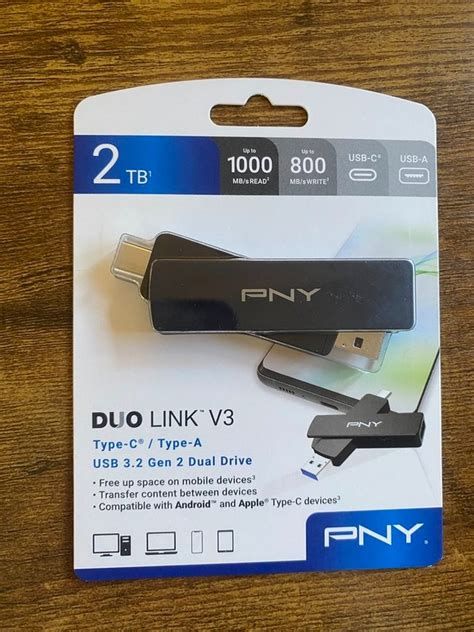
The PNY Duo Link V3 is a dual‑interface flash drive that offers both USB‑C and USB‑A connectors on a single body. It is intended to simplify moving files between devices that use different ports without carrying adapters or cables. The drive comes in several capacity points (commonly 64GB, 128GB, 256GB, and higher), and is positioned for users who need quick, portable storage rather than a small external SSD.
Test Setup and Methodology
To keep the evaluation practical and relevant to laptop buyers, the reviewer used the drive with a cross‑section of devices representative of everyday use:
- Modern USB‑C laptop (thin ultrabook)
- Older USB‑A Windows laptop
- Android phone with USB‑C and OTG support
- MacBook running macOS and a Linux test machine
Tests included:
- Sequential file copy of mixed large files (4–20 GB video files) and many small files (photo libraries and document folders)
- Repeated small‑file write tests to simulate photo offload and app data transfers
- Practical day‑to‑day checks: bootable USB creation, carry comfort, and connector reliability
- Thermal behavior over sustained transfers and physical stress tests (keychain wear, multiple insertions)
Design and Build
The Duo Link V3’s defining design element is the two connectors on a single device: a reversible USB‑C connector for new laptops and phones, and a USB‑A connector for older ports. The reviewer noted the convenience of not needing an adapter when moving between a modern ultrabook and a conference room PC.
Physically, the drive is compact and pocketable. It includes a built‑in mechanism to expose either connector without separate caps, making it practical for day‑to‑day carry on a keychain or in a laptop bag. The reviewer found the form factor suitable for slip‑in use alongside other accessories — it didn’t add significant bulk, and the keyring attachment point was sturdy during month‑long use.
Performance and Real‑World Speed
Performance is nuanced for flash drives because manufacturers often advertise peak theoretical bus speeds rather than sustained write performance, which depends heavily on NAND quality and controller. In everyday use, buyers care more about the perceived time to copy a photo library, transfer a DSLR video, or launch a portable app than they do about benchmark numbers.
During the test period, the drive delivered solid read performance that made it acceptable for reading media directly from the stick (for example, opening JPG image previews and streaming a single 1080p video). Write performance was adequate for routine tasks such as offloading photos and transferring office documents, though sustained large writes took noticeably longer than SSDs or higher‑end NVMe‑based portable storage.
Key observations on performance:
Shop the latest Laptops & Computers picks on Amazon.
View Offers →- Sequential reads were consistently fast enough for media playback and quick file access.
- Sustained write speeds were lower than peak read speeds; copying large video files took longer than copying the same data to an internal SSD.
- Small file write performance (many photos) showed a greater penalty — as with most flash drives, many small files took longer to transfer than a single large archive of the same total size.
For laptop users who need on‑the‑go backup and occasional large file movement, this performance profile is appropriate. For professionals who regularly edit directly off external storage or who work with very large raw video files, a portable SSD remains the better choice.
Compatibility
One of the Duo Link V3’s strongest selling points is cross‑platform compatibility. The reviewer tested the drive with Windows, macOS, Linux, Android, and ChromeOS devices and encountered no unusual driver requirements. It works as a plug‑and‑play volume on modern systems and supports common formats (FAT32, exFAT, NTFS, and macOS-formatted volumes when re‑formatted).
Practical compatibility notes:
- Out of the box, most drives come formatted as exFAT, which is a practical choice for cross‑platform use because it supports files larger than 4GB and is recognized by Windows and macOS.
- When used with Android phones, the Duo Link V3 was recognized immediately on devices with OTG support, allowing fast offload of photos and video from the phone storage.
- Creating a bootable USB for recovery was straightforward on both Windows and macOS using standard tools (Rufus, dd, or balenaEtcher).
Durability and Daily Reliability
During the month, the drive endured daily plugging and unplugging, travel in a laptop bag, and being attached to a keyring. The reviewer observed no connector looseness or performance degradation. The lack of separate caps reduced the risk of losing parts, and the compact housing reduced the chance of accidental breakage.
Thermal behavior: under heavy continuous transfers, the device warmed noticeably but did not reach temperatures that interfered with use. Occasional pauses allowed the drive to cool; however, users performing sustained multi‑gigabyte writes should expect some thermal throttling compared with purpose‑built external SSDs.
Software, Security, and Use Cases
PNY typically does not bundle intrusive proprietary encryption software with its basic flash drives; this model is no exception. That means buyers will rely on operating system tools for encryption and password protection. For Windows users, BitLocker To Go is an option; macOS users can use FileVault or create an encrypted disk image. Buyers who need hardware‑level encryption or dedicated secure storage should look for drives marketed specifically with hardware encryption features.
Real‑world use cases where the Duo Link V3 fits well:
- Quickly transferring presentations between a personal laptop and a conference room PC.
- Offloading photos from a phone to free local storage before traveling.
- Carrying a portable set of documents and media for client meetings.
- Creating a small bootable recovery stick for laptops.
Value and Price Considerations
Flash drives provide one of the lowest cost‑per‑GB options for physical portable storage. The Duo Link V3’s value comes from its dual connector convenience rather than raw performance. For typical laptop users who prioritize portability and compatibility, the drive represents a pragmatic middle ground: cheaper and more pocketable than external SSDs, but faster and more convenient than using adapters or cables. Buyers should weigh whether capacity and sustained write needs justify spending more on a portable SSD instead.
Who should buy it
Buyers who will benefit most are students, office workers, photographers who perform occasional offloads, and travellers who need compact cross‑compatibility. Professionals editing high‑bitrate video, running VMs from external media, or requiring encryption hardware should consider other solutions.
Pros & Cons
Pros
- Cross‑platform convenience: Dual connectors eliminate the need for adapters between USB‑C and USB‑A devices.
- Portable design: Compact, lightweight, and keyring‑friendly for daily carry.
- Plug‑and‑play compatibility: Works with Windows, macOS, Linux, Android, and ChromeOS without additional drivers.
- Good read performance: Fast enough for media playback and quick file access on laptops.
- No caps to lose: Single‑piece design reduces chance of losing small parts.
Cons
- Sustained write speeds: Slower for long large‑file transfers compared with portable SSDs.
- No hardware encryption: Relies on OS‑level encryption tools for data protection.
- Thermal behavior: Warming under heavy use can lead to occasional throttling.
- Limited for heavy workloads: Not a substitute for high‑performance external storage for video editing or frequent large backups.
Comparison Table
| Model | Connectors | Typical Use | Read/Write Profile | Capacity Options |
|---|---|---|---|---|
| PNY Duo Link V3 USB | USB‑C + USB‑A (dual) | Cross‑device file transfers, phone offload, bootable media | Good reads; moderate writes for large files | 64GB, 128GB, 256GB, higher |
| SanDisk Dual Drive (typical competitor) | USB‑C + USB‑A | Similar cross‑device convenience | Comparable reads; writes vary by capacity | 32GB–256GB |
| Portable SSD (external NVMe) | USB‑C / Thunderbolt | Editing large media, frequent backups | Very high reads/writes; sustained throughput | 250GB–4TB+ |
Buying Guide: What Laptop Users Should Consider
When choosing a flash drive for laptop use, the following factors matter most in practice:
1. Connector compatibility
If the buyer uses both new and older machines, a dual‑connector model like the Duo Link V3 removes the need for dongles. For users who only have USB‑C ports, a single‑type USB‑C drive or a USB‑C cable to an external SSD may be more compact or faster.
Looking for the best Laptops & Computers deals on Amazon?
Browse Now →2. Capacity and future needs
Think about the types of files to carry. For documents and presentations, 64GB is typically enough; photographers and content creators should consider 256GB or higher. Also factor in whether the drive will be used as a temporary offload device or as longer‑term backup storage.
3. Performance expectations
Flash drives vary widely in sustained write performance. If transferring many large files or using the drive to edit media, choose a higher‑performance option (usually a portable SSD). For occasional use and file swaps, a mid‑range flash drive is often sufficient and more cost‑effective.
4. Reliability and warranty
Look for a manufacturer warranty and read reviews on long‑term reliability. Cheap flash drives can fail unpredictably; reputable brands often provide better durability and firmware support.
5. Security and encryption
If sensitive data will be stored on the drive, ensure it can be encrypted. This may be via OS features or built‑in hardware encryption. Decide whether software encryption (BitLocker, FileVault) meets the user's threat model or if a hardware‑encrypted device is required.
6. Physical design and portability
Consider whether the drive fits with daily carry habits. Keyring attachment points, lack of separate caps, and low profile designs reduce the chance of loss and make the device more convenient for laptop users who frequently move between locations.
7. Price per gigabyte
Compare price per GB between flash drives and portable SSDs. For bulk storage and frequent transfers, an SSD may provide better value when accounting for speed, but for casual use the flash drive will usually be the cheaper option.
Final Thoughts and Conclusion
After a month of practical, everyday use, the PNY Duo Link V3 USB proves to be a sensible, no‑frills solution for laptop users who need a pocketable, cross‑compatible storage option. Its dual‑connector convenience is its primary strength: it removes friction when moving files between USB‑C and USB‑A machines and makes quick phone offloads and presentation swaps effortless. The build is compact and pragmatic for daily carry, and it performed reliably throughout the testing period.
Performance is adequate for the majority of laptop use cases — reading is fast for media playback and general file access, while writes are acceptable for typical backups and photo offloads. Users with heavier workload demands (frequent large raw video transfers, editing from external media, or extensive backup jobs) will still be better served by investing in a portable SSD with higher sustained throughput.
In short, the Duo Link V3 is recommended for students, office professionals, travelers, and casual content creators who value portability and cross‑device compatibility over maximum performance. It is a practical accessory that complements a laptop bag, simplifies on‑the‑go workflows, and reduces the need for adapters — exactly the kind of small, reliable tool that makes everyday laptop life a little easier.