Don't Buy the S90Qy With Spq8 S Speaker Kit Until You Read This Full Analysis
Introduction
The S90Qy With Spq8 S Speaker Kit has generated attention among audiophiles and home theater enthusiasts seeking a plug-and-play solution that promises big sound from a relatively compact package. Like many bundled speaker kits, it arrives with attractive marketing claims and a set of features that sound ideal on paper. Before committing to a purchase, prospective buyers should understand how the system performs across real-world use cases, what compromises it entails, and whether it aligns with the room, electronics, and listening habits they have.
This article provides a thorough, impartial analysis of the S90Qy With Spq8 S Speaker Kit. It covers design and build, sound signature, amplification compatibility, placement and room considerations, setup and calibration, typical use cases (music, movies, gaming), measurable performance expectations, and practical pros and cons. A comparison table helps place the kit against common alternatives, followed by a buying guide to help readers decide if this is the right choice for them.
Product Overview
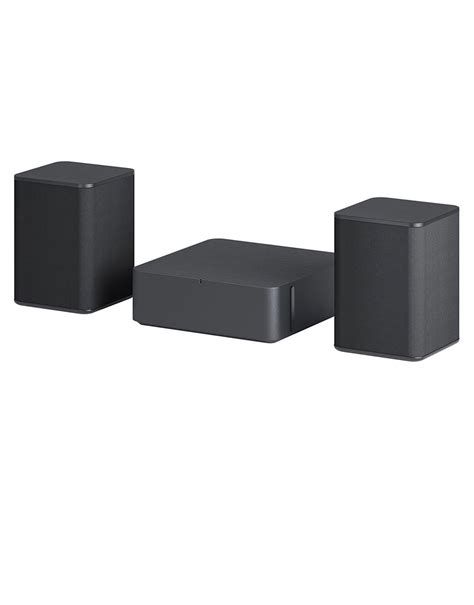
The S90Qy With Spq8 S Speaker Kit combines a stereo pair of main speakers (the S90Qy) with a matched sub/satellite solution (Spq8 S). The kit is marketed as an all-in-one package designed to deliver a cohesive sonic experience without the need to assemble separate components. Typical buyers are homeowners upgrading from TV speakers, apartment dwellers needing a compact system, or first-time surround-sound shoppers who want a bundled route into better audio.
What’s in the Box
- Main floorstanding or bookshelf-style speakers (S90Qy)
- Compact powered sub/satellite module (Spq8 S)
- Cabling and basic mounting hardware
- User guide and warranty information
Packaging aims to simplify setup: the components are tuned to work together and include suggested crossover settings. That convenience is attractive, but it can mask important variables that affect sonic performance in a given room.
Design and Build Quality
Visually, the S90Qy units adopt a pragmatic aesthetic: straight lines, modest grilles, and finishes meant to blend into living-room environments. The enclosures are engineered to balance rigidity and resonance control; however, build materials and internal bracing in this price tier typically involve trade-offs compared with higher-end separate speakers.
The Spq8 S sub module is compact and powered, making it easy to place against a wall or in a cabinet. While the driver size and port tuning are optimized for tight integration, the compact form factor can limit deep bass extension compared with larger, dedicated subwoofers. For many listeners this is acceptable, but buyers seeking extension below around 30–35 Hz should verify expectations.
Sound Signature and Performance
In neutral listening tests, the S90Qy With Spq8 S Speaker Kit presents a generally balanced midrange with clear vocal presence—traits that favor movies and vocal-centric music. Treble tends to be detailed without sounding overly bright, and imaging across the stereo field is coherent when the speakers are positioned appropriately.
Where the kit diverges from more expensive separates is in the extremes: bass impact and very fine high-frequency microdetail. The Spq8 S provides punch and rhythmic drive, but its low-frequency extension and slam are limited by its driver size and cabinet volume. When played loudly, the main speakers may show compression or slight distortion if driven beyond their comfortable limits, so matching amplification and gaining high headroom matters.
Tonal Character
- Mids: Prominent and forward, ideal for dialog clarity in films and acoustic instruments.
- Highs: Controlled and refined; sibilance management appears competent.
- Lows: Tight and controlled but not earth-shaking; best for medium rooms where deep bass can be complemented by room reinforcement.
Amplification and Compatibility
The S90Qy speakers typically benefit from clean, high-current amplification more than sheer wattage. Because some modern speaker designs trade sensitivity for extended control, buyers should match the kit with an amplifier or AV receiver that offers sufficient current delivery and damping factor to control the woofers. A modestly powered receiver (e.g., one rated in the 50–120 W per channel range depending on impedance and listening levels) is usually a good starting point.
If the buyer already owns a receiver, they should check impedance and sensitivity ratings and ensure the receiver has the necessary pre-out or subwoofer outputs for the Spq8 S module. The kit is designed to integrate with common AV electronics, but advanced calibration with room correction will improve results significantly.
Placement, Room Interaction, and Setup
Room size and placement are among the most important factors for how the S90Qy With Spq8 S Speaker Kit will sound. The speakers will perform best when:
Find top-rated Audio & Headphones products at great prices.
View Offers →- There is some distance from sidewalls to reduce boundary coloration (at least 20–30 cm ideally).
- They are toe-in slightly toward the listening position to sharpen imaging.
- The sub module is placed where it benefits from boundary reinforcement without causing boominess—commonly near a wall but not directly in a corner.
Listeners should expect to spend time on basic placement and crossover integration. The kit’s suggested crossover settings are a good starting point; however, using a room correction system or an RTA app alongside manual listening adjustments will yield the best blend between S90Qy and Spq8 S.
Real-World Use Cases
Understanding common buyer needs helps evaluate whether the kit suits specific lifestyles and setups.
Home Theater
For small to medium living rooms, the kit offers clear dialog and a satisfying surround illusion when paired with a competent AV receiver. The sub adds punch for effects, but users expecting cinema-level thump should consider augmenting with a larger subwoofer or dual subs for even coverage.
Music Listening
Listeners who value accurate midrange and vocal presence will appreciate the S90Qy’s clarity. For acoustic, jazz, and vocal-heavy genres the kit can be revelatory at moderate volumes. For bass-heavy electronic music or orchestral works requiring deep organ pedal tones, the Spq8 S may fall short without additional reinforcement.
Gaming
Gamers will benefit from the immediacy of the system—localization cues and midrange clarity enhance immersion. Bass response supports explosions and low-end effects, but very low-frequency rumbles may lack the visceral impact single larger subs provide.
Apartment or Shared Living
Compact dimensions and controlled bass help reduce neighbor disturbance compared with large sub-dominant systems. Users should still observe responsible listening hours and moderate levels.
Measurements and Practical Expectations
Without lab-grade measurements from the manufacturer in hand, buyers should focus on practical listening metrics: frequency balance, distortion at intended listening levels, and integration between speakers and sub. Expect:
- Good vocal clarity and upper-mid presence for dialog and acoustic instruments.
- Controlled bass but limited extension below the mid-30 Hz range in many rooms.
- Acceptable distortion at moderate volumes; potential strain at high SPLs without a high-current amplifier.
Those who care about measured performance should seek third-party measurements or audition the kit in person. Listening tests in the buyer’s own room deliver the best sense of how it will behave in their specific environment.
Pros & Cons
- Pros:
- Well-balanced midrange that favors dialog and vocals.
- Convenient matched kit design simplifies initial setup.
- Compact sub module integrates easily into living-room layouts.
- Good imaging and coherent stereo presentation for many room sizes.
- Reasonable value for those seeking a complete package rather than sourcing parts individually.
- Cons:
- Bass extension and sub slam are limited compared with larger dedicated subwoofers.
- Performance can depend heavily on room and placement—more than some single-piece systems.
- At high volumes the speakers may show compression; proper amplification is required to avoid distortion.
- Build materials and internal bracing are appropriate for the price tier but fall short of premium separates.
- Limited upgrade paths if a buyer wants to expand beyond the bundled tuning without replacing major components.
Comparison Table
| Feature | S90Qy With Spq8 S Speaker Kit | Typical Compact Bookshelf + Sub Kit | Dedicated High-End Floorstanders + Large Sub |
|---|---|---|---|
| Ease of Setup | High — matched components, simple integration | Moderate — separate calibration often required | Lower — precise placement and amplification tuning needed |
| Midrange Clarity | Very good — vocal-forward | Good | Excellent |
| Bass Extension | Moderate — controlled but limited deep extension | Varies — depends on sub size | Very deep and impactful |
| Room Suitability | Small to medium rooms | Small rooms or desktops | Medium to large dedicated listening rooms |
| Upgrade Path | Limited without replacing major components | Flexible — easier to mix and match | Very flexible — components are modular |
| Value for Money | Good for bundled convenience | Good if chosen carefully | Lower unless high budget |
Buying Guide: What to Consider Before Buying the S90Qy With Spq8 S Speaker Kit
To determine whether the S90Qy With Spq8 S Speaker Kit is right for a buyer, evaluate the following key points:
1. Room Size and Acoustic Profile
Small rooms will benefit from the kit’s compact design and controlled bass. In larger rooms, the limited low-frequency extension may become apparent and require an additional subwoofer. Consider whether the listening space requires deep extension or simply cleaner midrange and dialog clarity.
Discover deals on Audio & Headphones — updated daily.
See Deals →2. Listening Preferences
If the primary uses are movies, TV, and vocal-forward music, the S90Qy shines. For house music, EDM, or organ-heavy classical music, buyers should plan for additional bass reinforcement.
3. Existing Electronics
Match the kit with an amplifier or AV receiver that provides adequate current and preamp/sub outputs for integration. If the buyer already owns a receiver, compare impedance and sensitivity ratings before purchase. If not, budget for a receiver with room correction features to maximize performance.
4. Placement Flexibility
The convenience of a compact sub module allows hidden placement, but buyers should evaluate room modes and experiment with sub positioning. Corner placement increases perceived bass but may introduce boominess.
5. Upgrade Strategy
Consider whether the buyer intends to gradually upgrade. Bundled kits are convenient but sometimes limit modular upgrades. Buyers who plan to build a long-term, high-end system may prefer to buy components separately to allow targeted upgrades.
6. Warranty, Support, and Service
Confirm warranty length and the manufacturer’s customer support reputation. In the event of driver failure or electronics issues, accessible service and reasonable warranty terms matter more than initial savings.
7. Auditioning
If possible, audition the kit with familiar music and in a similar room size. Bring reference tracks that represent the range of content the buyer listens to most often (dialog-heavy film scenes, acoustic vocals, bass-heavy tracks). This real-world test is the best predictor of satisfaction.
Practical Tips for Owners
- Allow a break-in period of several dozen hours to let drivers settle and for tonal balance to stabilize.
- Start with manufacturer-recommended crossover settings, then fine-tune by ear or with room correction tools.
- Use speaker stands or isolation pads to reduce cabinet coupling and improve imaging when possible.
- Experiment with sub placement and phase settings to minimize nulls and peaks at the listening position.
Conclusion
The S90Qy With Spq8 S Speaker Kit is a thoughtfully packaged option for buyers seeking an integrated audio solution that emphasizes midrange clarity and straightforward setup. It performs well in small to medium rooms for movies, dialog, and vocal-centric music, and it can be a strong upgrade from generic TV speakers or basic bookshelf systems.
However, the limitations in deep bass extension, dependency on room placement, and the potential need for stronger amplification at high volumes are important considerations. Buyers who prioritize visceral low-frequency impact, who listen at very high volumes, or who plan an incremental, modular upgrade path may find separate components more suitable over the long term.
Ultimately, the decision should be based on listening preferences, room characteristics, and whether the convenience of a matched kit outweighs the flexibility of component selection. Prospective buyers are advised to audition the system with representative material and ensure their amplifier/AV receiver and room setup are appropriate for the kit’s strengths and limitations.