Biggest Novablast 5 Buying Mistakes (And How to Avoid Them)
The Novablast 5 attracts attention for a simple reason: it promises a lively, cushioned ride that appeals to a wide range of runners and everyday wearers. Buyers often come to it expecting a do-it-all shoe that can handle easy miles, longer runs, gym sessions, and casual daily use without compromise. That broad appeal is exactly why people also make avoidable mistakes when choosing it.
In the electronics category of online publishing, product decision-making often focuses on specifications, optimization, and user fit. Footwear buying follows a surprisingly similar pattern. Buyers compare materials, geometry, responsiveness, stability, durability, and value in much the same way they compare devices. The problem is that many shoppers look only at hype terms like “soft,” “bouncy,” or “max cushion” and skip the more practical question: Is this the right shoe for the way it will actually be used?
The biggest Novablast 5 buying mistakes usually come down to mismatched expectations. Some buyers assume the plushest ride is always the best ride. Others order their normal size without thinking about foot shape, socks, swelling, or intended mileage. Some want one shoe to solve every need, from recovery jogs to speed sessions to all-day standing. The result can be disappointment, not because the shoe is poor, but because the purchase decision was incomplete.
This article breaks down what the Novablast 5 is best suited for, where buyers go wrong, and how to avoid the most common purchasing errors. For runners building mileage, beginners choosing a first serious trainer, and casual users seeking comfort for long days on their feet, a more careful buying process can make the difference between a shoe that feels great for months and one that sits unused after a few weeks.
Novablast 5 Review and Product Analysis
The Novablast line has built its reputation around energetic cushioning and a ride that feels more playful than many traditional daily trainers. The Novablast 5 continues that formula with an emphasis on comfort, rebound, and versatility. In practical terms, that means it is designed to feel softer than a firm performance trainer, more responsive than a basic walking shoe, and more exciting than a flat, old-school daily runner.
For many buyers, the biggest appeal is underfoot sensation. People shopping in this segment typically care about several things: whether the shoe feels soft without being unstable, whether it can handle both short and longer runs, whether it remains comfortable after an hour or more of wear, and whether it justifies its price compared with other premium trainers. Those are the right questions to ask.
In everyday use, the Novablast 5 generally makes the strongest impression during easy to moderate runs. It tends to suit runners who want cushioning with some bounce, rather than a dead-soft platform that absorbs impact but gives little back. That character can be especially appealing to:
- Newer runners who want a forgiving shoe that still feels lively
- Intermediate runners looking for a single daily trainer for most mileage
- People returning to running after time off who want comfort without a heavy, overly corrective feel
- Walkers or commuters who prioritize shock absorption and modern styling
That said, the Novablast 5 is not automatically ideal for everyone. Buyers with strong stability needs may find that a neutral, highly cushioned platform does not provide the guidance they prefer. Runners with very narrow feet may need to pay close attention to lockdown. Heavy heel strikers, forefoot strikers, and runners with mobility limitations can also experience the same shoe quite differently. In other words, the Novablast 5 should be evaluated as a specific tool, not a universally perfect option.
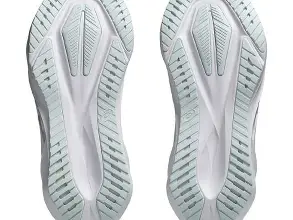
Another practical strength is versatility. Some shoes are excellent only at slow recovery paces, while others feel best when pushed harder. The Novablast 5 tends to sit in the middle, which is often what buyers want most. It can serve as a general-purpose trainer for weekday miles, treadmill sessions, travel, and mixed-use wear. That broad utility helps justify its position for shoppers who do not want a rotation of multiple shoes.
Still, versatility has limits. A buyer expecting elite-level speed performance may be underwhelmed. Someone wanting strong motion control may feel under-supported. A person buying it mainly for standing on hard floors all day may love the cushioning but find the geometry more “run focused” than “work shoe practical.” That is why the buying mistakes matter more than the spec sheet alone.
Biggest Novablast 5 Buying Mistakes
1. Assuming “More Cushion” Automatically Means “Better”
One of the most common mistakes is treating maximal or highly cushioned shoes as a universal upgrade. Buyers often assume that if a shoe feels soft in the store or in the first few minutes at home, it will be more comfortable for all runs and all-day wear. In reality, cushioning quality matters more than cushioning quantity.
The Novablast 5 is appealing because it aims to combine softness with rebound. But not every runner wants a highly energetic foam feel. Some prefer a more grounded ride, especially for balance, cornering, or controlled pacing. A very soft or springy feel can be enjoyable for straightforward road miles but less ideal for users who want a planted platform for gym movements, walking on uneven pavement, or long standing shifts.
How to avoid it: Buyers should define their primary use before purchasing. If the shoe will be used for daily road running, cushioned comfort may be a real asset. If it will mainly be used for lateral movement, stability training, or all-day occupational wear, a softer, taller ride may not be the best match.
2. Buying It as a Stability Shoe When It Is Primarily a Neutral Trainer
Another major mistake is confusing cushioning with support. A shoe can feel protective and still not offer the structured guidance that some runners need. The Novablast 5 is likely to appeal to buyers with neutral mechanics or those comfortable in neutral trainers, but shoppers who overpronate significantly or who have a history of instability-related discomfort should be careful.
Shop the latest Electronics picks on Amazon.
See Deals →This matters in real-world scenarios. A runner increasing mileage for a first half marathon may feel great in a bouncy neutral trainer for short runs, then start noticing fatigue around the arch, ankle, or knee during longer efforts. Likewise, a walker with a history of foot collapse may enjoy the first impression of softness but later wish for more control.
How to avoid it: Buyers who usually do best in stability shoes should not assume the Novablast 5 can replace that category. It is better to evaluate gait history, past injury patterns, and what has worked before. If stable neutral shoes have worked in the past, the Novablast 5 may still be suitable. If not, caution is wise.
3. Ordering the Usual Size Without Considering Fit Variables
Fit mistakes are among the most expensive because they are easy to prevent. Many people simply order the same numerical size they wear in casual sneakers. Running shoes rarely work that way. Toe room, midfoot hold, foot swelling during longer runs, sock thickness, and seasonal temperature all affect fit.
With a model like the Novablast 5, buyers often care deeply about comfort on runs over 45 minutes. That is exactly where a too-short fit can become a problem. Black toenails, forefoot rubbing, numbness, and hot spots usually do not show up during a five-minute try-on. On the other hand, going too large can lead to heel slip, lace bite from over-tightening, and unstable foot movement inside the shoe.
How to avoid it: Buyers should assess running-shoe fit separately from lifestyle-shoe fit. They should consider toe clearance while standing, whether the midfoot feels secure without aggressive lacing, and whether the intended use is short runs or long mileage. Anyone between sizes should think about foot volume and sock choice instead of automatically sizing up or down.
4. Expecting It to Excel at Every Type of Running
The phrase “daily trainer” leads many shoppers to expect one shoe to handle everything equally well. The Novablast 5 may be versatile, but versatility is not the same as specialization. It may handle everyday mileage very well, but that does not make it the top choice for every runner’s tempo runs, race efforts, treadmill speedwork, or recovery days.
For example, a runner training three times a week may be perfectly happy using one pair for all sessions. But a runner doing intervals on Tuesday, a long run on Saturday, and recovery miles on Sunday may notice trade-offs. What feels lively enough for easy and steady miles may still feel less precise than a dedicated speed-focused shoe. Conversely, what feels exciting on normal runs may feel less mellow than someone wants for pure recovery outings.
How to avoid it: Buyers should be realistic about priorities. If the goal is one shoe for the majority of miles, the Novablast 5 may be a strong option. If the goal is one shoe that does absolutely everything at the highest level, expectations should be adjusted.
5. Ignoring Weight, Running Form, and Pace
Different runners compress foam differently. A lighter runner may experience the Novablast 5 as springy and controlled, while a heavier runner may experience more sink-in softness. A faster runner may appreciate turnover and rebound at moderate paces, while a slower runner may mainly notice comfort and rocker flow.
Buyers often read a review and assume the ride description will match their own experience exactly. That is a mistake. The same shoe can feel smooth to one runner, unstable to another, and perfect only within a certain pace range for someone else.
How to avoid it: Shoppers should interpret reviews through the lens of their own body type and pace. Someone training for relaxed 5K and 10K completion times has different needs from a runner doing faster marathon-specific work. The “best” feel depends on how the shoe will actually be loaded and used.
6. Focusing on First-Step Comfort Instead of Long-Run Comfort
Many shoes feel excellent for the first ten minutes. Buyers often mistake showroom softness for lasting comfort. The Novablast 5 may impress immediately, but the better question is whether it still feels secure, efficient, and non-irritating deep into a run or a long day on foot.
Real-world use cases reveal this difference clearly. A commuter walking several miles across a city, a nurse on hospital flooring, and a runner doing a 90-minute weekend session all need comfort over time, not just a pleasing initial sensation. Factors like upper pressure, forefoot flexibility, lace tension, and platform stability matter more after prolonged use than in a quick try-on.
How to avoid it: Buyers should think beyond first impressions and evaluate whether the design aligns with the duration and conditions of actual use.
Find top-rated Electronics products at great prices.
View Offers →7. Not Comparing It Against Nearby Alternatives
Another common mistake is shopping in isolation. Buyers become fixated on one popular model and never compare it to similarly priced options. The Novablast 5 may be an excellent fit, but comparing categories helps buyers confirm whether they want bounce, stability, softness, responsiveness, or durability most.
In practical buying terms, nearby alternatives may offer firmer stability, a more traditional ride, lighter speed-oriented performance, or a softer recovery focus. Even if the Novablast 5 remains the winner, comparison shopping improves confidence and reduces buyer’s remorse.
How to avoid it: Buyers should compare at least three categories: a neutral daily trainer, a stable daily trainer, and a lighter performance-leaning option.
Novablast 5 Pros and Cons
Pros
- Energetic ride: Appeals to buyers who want cushioning that feels lively rather than flat.
- Good daily versatility: Can suit a mix of easy runs, moderate training, treadmill sessions, and casual wear.
- Comfort-focused design: Likely to attract runners who prioritize underfoot protection on regular road miles.
- Modern feel: Well suited to buyers who prefer contemporary foam performance over traditional firmer trainers.
- Broad appeal: A strong candidate for beginners and intermediate runners who want one dependable main shoe.
Cons
- Not ideal for everyone needing support: Buyers wanting clear stability features may need a different category.
- May not excel at top-end speed work: Versatile does not necessarily mean race-day sharp.
- Fit can be buyer-dependent: Foot shape and lockdown matter, especially for longer runs.
- Ride preference is subjective: Some users love bounce; others prefer a firmer, more planted sensation.
- Can be overbought by hype: Popularity can lead people to overlook whether it actually matches their needs.
Comparison Table: Is the Novablast 5 the Right Type of Shoe?
| Buyer Type | How the Novablast 5 Fits | Potential Concern | Best Buying Advice |
|---|---|---|---|
| Beginner runner | Very appealing if comfort and bounce are top priorities | May mistake cushioning for true support | Check whether a neutral trainer has worked before |
| Daily mileage runner | Often a strong match for easy and moderate road runs | May not replace speed-specific shoes | Buy it as a core trainer, not necessarily a complete rotation |
| Runner needing stability | Possible only if mild support needs and stable form | Could feel too neutral or too free-moving | Do not switch from stability models blindly |
| Walker or commuter | Comfortable for long urban use and general wear | Running geometry may not suit every all-day user | Consider whether all-day support matters more than bounce |
| Gym user | Fine for treadmill sessions and light cardio | Less ideal for heavy lifting or lateral drills | Use it for linear movement, not all gym tasks |
| Value-focused buyer | Worth considering if used often across multiple scenarios | Less value if purchased for a narrow purpose | Match the price to real weekly usage |
Buying Guide: How to Choose the Novablast 5 Wisely
Identify the Primary Use Case
The smartest purchase starts with honesty about use. If the buyer mainly runs on roads three to five times per week at easy to moderate effort, the Novablast 5 makes strong sense. If the buyer mainly strength trains, walks on uneven surfaces, or needs structured support for pronation, the fit becomes less obvious.
Think About Run Duration, Not Just Distance Goals
Some people shop by race category, but duration can be more useful. A shoe that feels great for 30-minute runs may behave differently at 75 minutes. Buyers planning longer sessions should prioritize sustained comfort, toe room, and stability under fatigue.
Match the Shoe to Past Success, Not Marketing Language
If a buyer’s best experiences have been in neutral, responsive daily trainers, the Novablast 5 is easier to recommend. If the buyer’s history shows repeated issues in soft neutral shoes, the latest version may not solve that simply because it is newer.
Consider Surface and Environment
This kind of shoe is usually best appreciated on regular roads, paved paths, and treadmills. Buyers planning to use it on gravel, slick surfaces, or varied terrain should remember that comfort and traction needs change with environment.
Budget for Function, Not Hype
Premium trainers are best purchases when they are used frequently. A buyer who will run four days a week and also wear the shoe while traveling may see strong value. A buyer who already owns several similar shoes may not gain much by adding another unless it fills a specific gap.
Know When Not to Buy It
The best buying decision is sometimes to pass. If the buyer needs strong stability, a low-to-the-ground gym shoe, or a highly specialized speed trainer, the Novablast 5 may be the wrong answer. Avoiding the wrong shoe is just as important as finding the right one.
Final Verdict
The Novablast 5 is most attractive when viewed for what it is: a modern, cushioned, energetic trainer aimed at buyers who want comfort with personality. It can be a very smart purchase for runners who want one reliable shoe for most road miles, for people returning to training who want a forgiving ride, and for users who genuinely enjoy a lively underfoot feel.
The biggest buying mistakes happen when shoppers expect it to solve needs outside that lane. Cushioning is not the same as support. Popularity is not the same as personal fit. First-step softness is not the same as long-run comfort. And versatility is not the same as universal excellence.
Buyers who avoid those mistakes by focusing on fit, running style, use case, and realistic expectations are far more likely to enjoy what the Novablast 5 does well. For the right person, it can be an excellent purchase. For the wrong one, it becomes a reminder that the best shoe is not the one with the loudest praise, but the one that matches how it will actually be used.